Choosing a Solar Installer in Hernando County: The Homeowner's Checklist That Starts With Your Meter
By Hernando Beacon · July 2, 2026 · 5 min read
 Part of our complete guide: Solar Panels in Spring Hill, FL: Costs, Savings & Is It Worth It in 2026 →
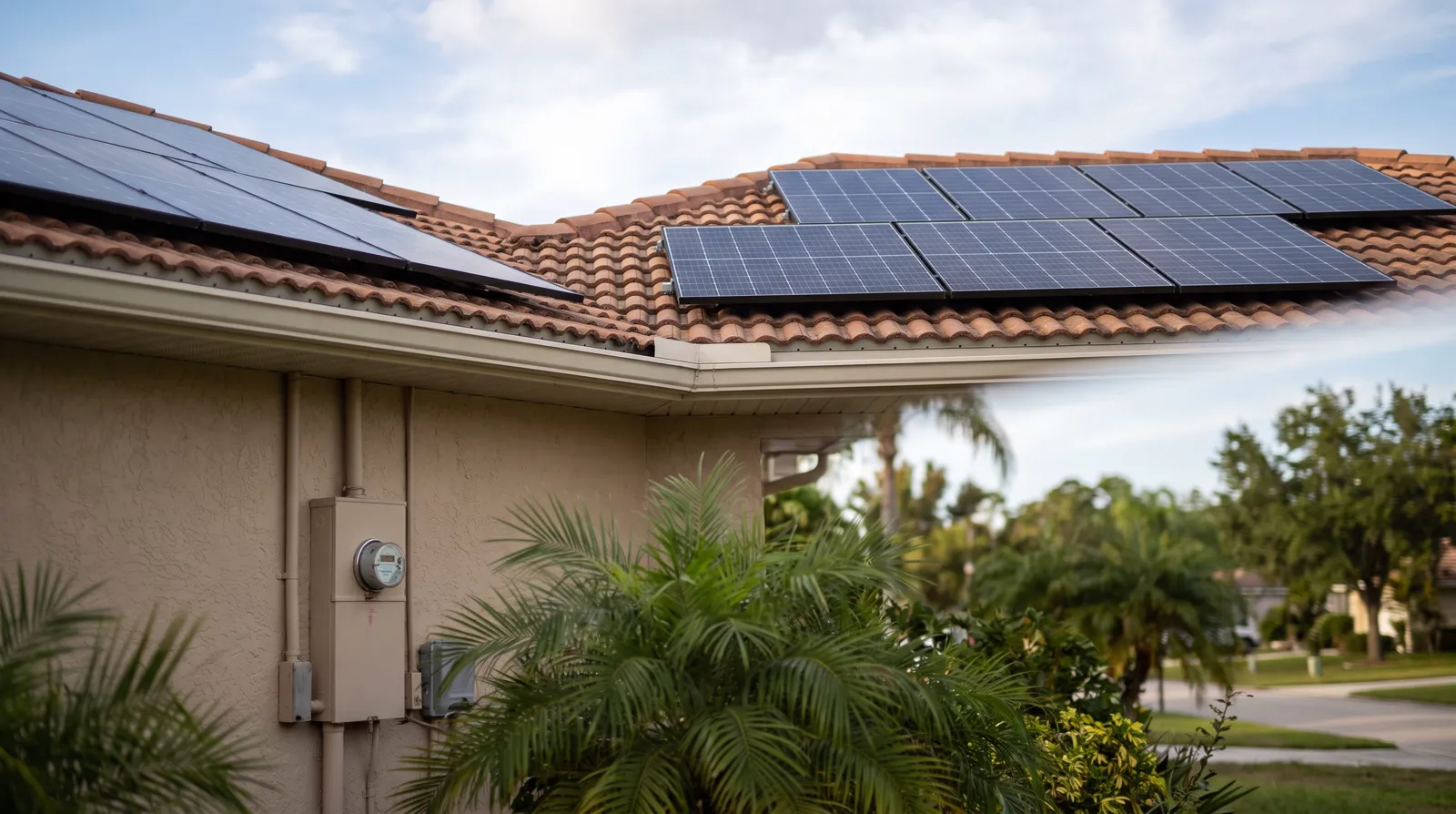
Before you compare a single quote, walk out to the side of your house and look at your electric meter. Whether it says Duke Energy or Withlacoochee River Electric Cooperative will do more to shape your solar payback than the panel brand, the financing rate, or which crew shows up. Most Spring Hill homeowners start by collecting three quotes. Start instead with the one fact that changes what those quotes are actually worth.
Duke or WREC? Your Utility Decides Your Payback
Hernando County straddles two very different power territories, and they do not credit your extra solar the same way.
If you’re served by Duke Energy Florida, an investor-owned utility, Florida law requires full retail net metering. Every kilowatt-hour your panels push back to the grid offsets a kilowatt-hour you’d otherwise buy, at the same rate. That’s the math most online solar calculators assume.
If you’re served by Withlacoochee River Electric Cooperative (WREC), the story is different. WREC is an electric cooperative, and its net metering pays you the wholesale “avoided cost” rate (tied to Seminole Electric’s rate), not full retail credit. In plain terms: the power you send back is worth materially less than the power you buy. A WREC-served home and a Duke-served home a few streets over can install identical systems and land on very different payback timelines.
Large chunks of Spring Hill and the surrounding county sit on WREC lines, so don’t assume. Confirm which utility bills you, then ask any installer to model your savings under your actual meter, not a generic Florida average. If a salesperson quotes you a payback period without first asking whether you’re on Duke or WREC, that’s your signal to keep looking.
A few WREC specifics worth knowing before you sign anything:
- WREC requires a signed interconnection / parallel-operation agreement before your system goes live.
- Systems over 10kW need proof of $1 million liability insurance.
- WREC performs an inspection and size verification before installing your net meter.
- Florida caps residential net-metering eligibility at roughly 115% of your historical annual usage, so oversizing “for the future” can leave production you’re barely credited for.
The Hernando County Permit Path, Specifically
You do need a permit to install solar in Hernando County. The good news is the process is straightforward and fully digital.
Permits are submitted 100% online through the county’s Accela / Tyler EnerGov self-service portal. A reputable installer handles this filing for you as part of the job, and a professional will do it without being asked. The permitting authority is the Hernando County Building Division, 789 Providence Blvd, Brooksville FL 34601, reachable at (352) 754-4050.
When you’re vetting installers, ask a direct question: “Do you pull the Hernando County permit and schedule the inspection, or does that fall to me?” The answer tells you whether you’re hiring a full-service contractor or someone who’ll leave you holding the paperwork. You can also confirm an installer’s permit history is real by asking for a recent Hernando County permit number and verifying it through the same portal.
Hurricane Season Changes the Warranty Questions You Ask
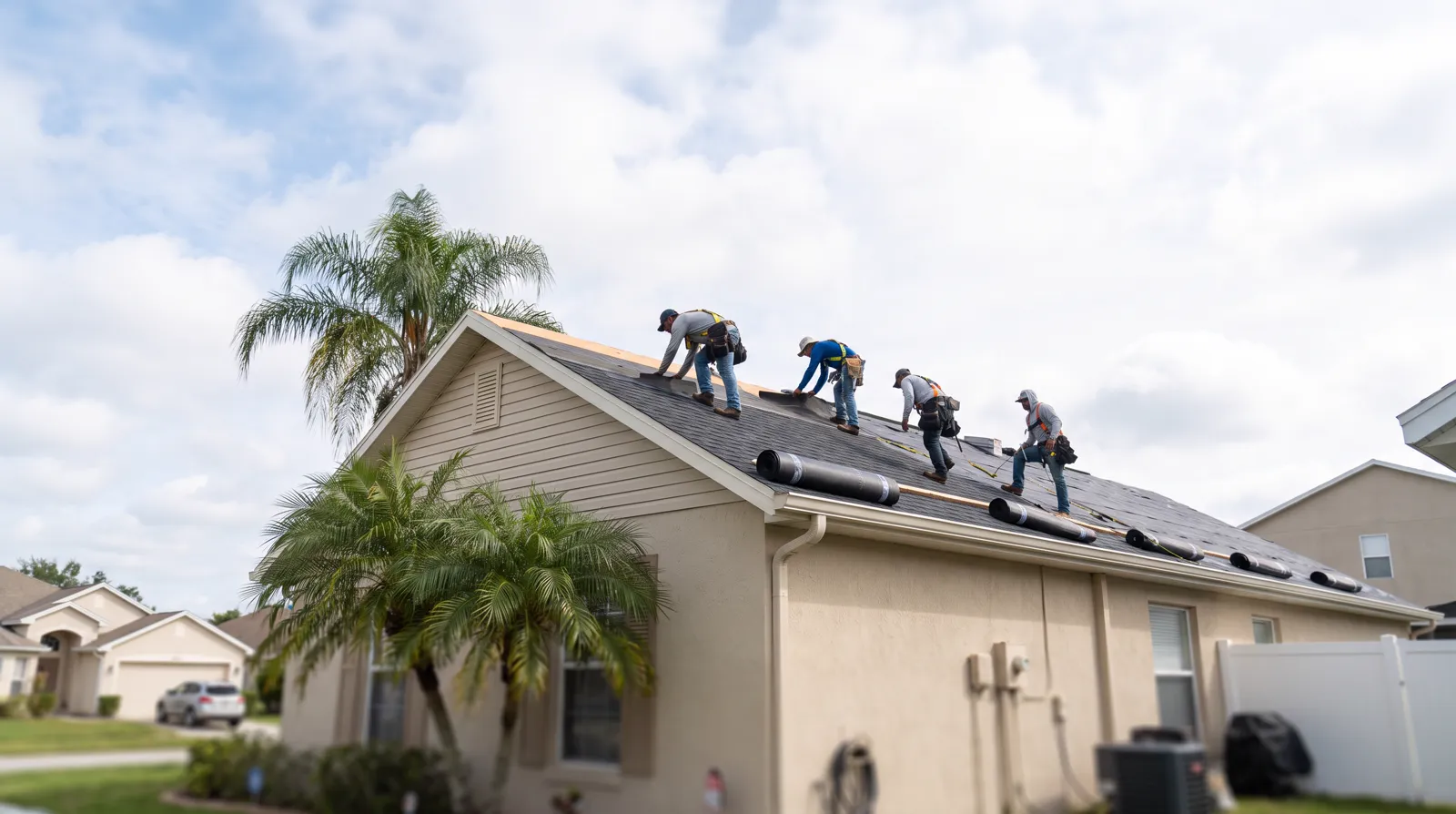
We live where roofs take a beating and re-roofs are routine. That reality creates a warranty trap most checklists never mention.
Your solar panels sit on your roof. Someday that roof will need replacement, whether from age or storm damage. Panels have to come off and go back on, and in Florida, improper removal and reinstallation is a leading cause of voided solar warranties. If an unlicensed handyman or your roofer’s cousin pulls the array, you can lose both your workmanship warranty and your manufacturer coverage.
So ask, before you buy:
- Who is licensed to remove and reinstall these panels if I re-roof in five years?
- Does your workmanship warranty survive a roof replacement done by another contractor?
- After a hurricane, do you offer inspection and reinstallation, and at what cost?
- Are the racking and flashing rated for our wind zone?
Get the answers in writing. A verbal “you’ll be fine” is worth nothing when a claims adjuster is standing on your roof after a storm.
Vetting the Company Behind the Quote
Once your utility, permit, and warranty questions are answered, the standard due diligence still matters, and it’s easy to run here.
- License first. Confirm the contractor holds an active Florida license before anything else. Ask for the number and verify it.
- NABCEP certification is the industry’s respected credential. It’s recommended, not legally required, but a NABCEP-certified installer signals real training.
- Check the BBB rating. Solar contractors serving the Hernando and Pasco area range widely, from A+ down to D-, so this five-minute check separates the seasoned from the fly-by-night.
- Look for real local tenure. Some installers have a genuine footprint in the area: The Solar Guys, Solar Source, and SunVena Solar all appear across local listings and directories. Verify each company’s current Florida license, founding date, and BBB standing yourself before treating any name as a recommendation. A company physically working in Hernando is easier to hold accountable than one indexed into “Spring Hill” by zip-code radius alone.
- Compare cost-per-watt, not sticker price. Dividing total system cost by total watts lets you compare quotes apples-to-apples across different system sizes.
- Walk away from pressure. “Sign today or the price goes up” is a sales tactic, not a real deadline. Solar economics don’t expire overnight.
Your Next Step
Confirm your utility today: pull up a recent bill and check whether Duke or WREC serves your address. That one fact reframes every quote you’ll collect. Then, before you commit, call the Hernando County Building Division at (352) 754-4050 with any permit questions, and require each installer to model your payback on your actual meter, put warranty and re-roof terms in writing, and hand you a verifiable license number. Do that, and you’ll choose from a position of knowledge that most solar shoppers never reach.