How to Choose a Roofer in Spring Hill, FL: Wind Zones, Permits, and the Insurance Clock
By Hernando Beacon · July 2, 2026 · 4 min read
 Part of our complete guide: Best HVAC Companies in Brooksville, FL: Who's Actually Local →
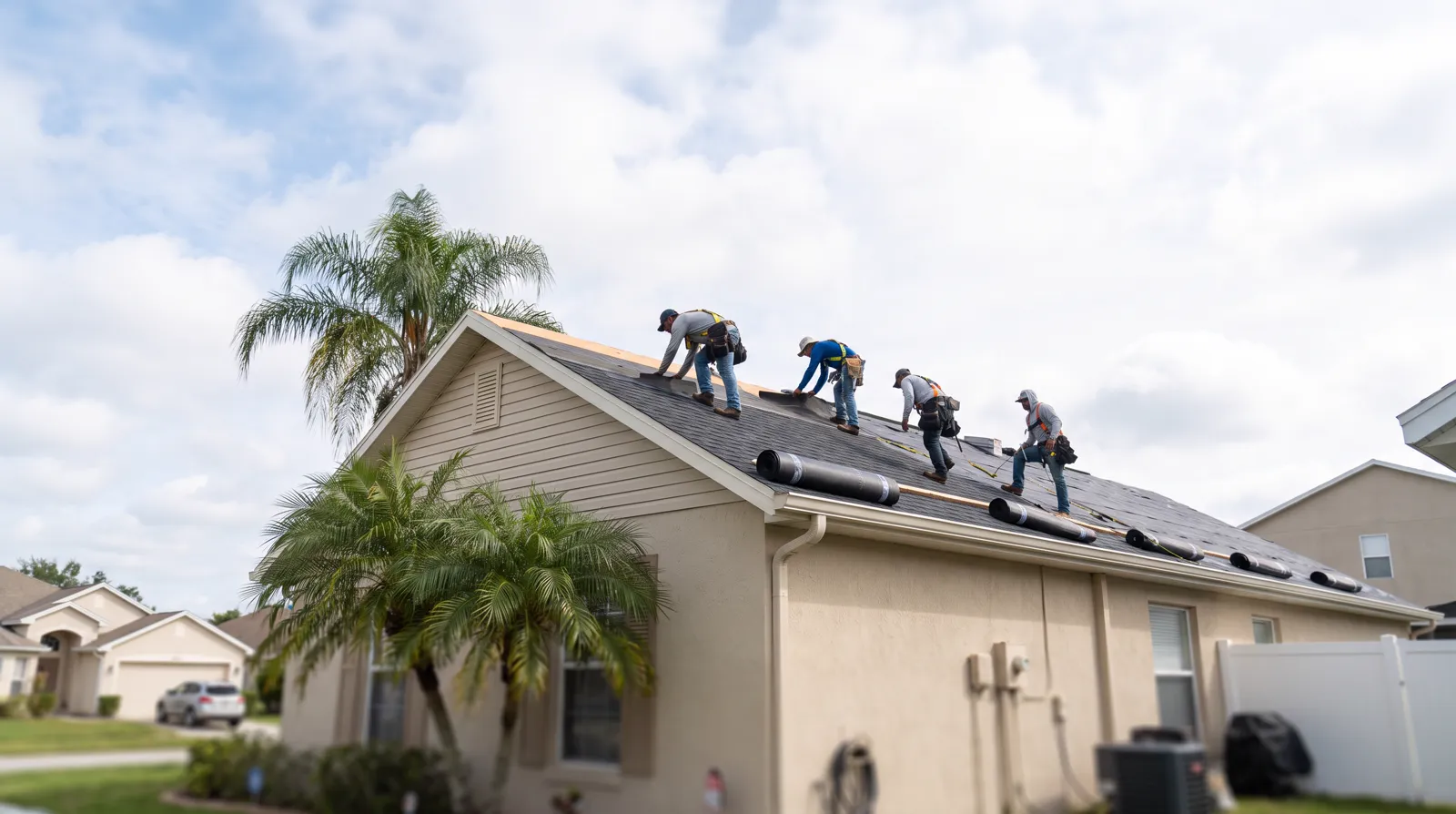
If your Spring Hill roof is starting to show its age, or a summer storm just left shingles in the yard, the roofer you pick matters more than the price they quote. Hernando County has its own wind rules, its own permit office, and a set of Florida insurance deadlines that can quietly decide whether you can even keep your homeowners policy. A good local roofer knows all three cold. Here is how to tell who does.
Know Your Wind Zone Before You Talk Materials
Hernando County isn’t one flat wind rating. The coast (Hernando Beach, Bayport, Aripeka) sits in a 130 mph design zone, while inland areas including Spring Hill and Brooksville are rated for 120 mph. That difference isn’t a technicality. It changes what the Florida Building Code requires on your roof.
For 120 mph and higher zones, the code calls for two layers of approved underlayment, and at least one of those layers must be self-adhering modified bitumen. Every product that goes on your roof, from shingles to underlayment to fasteners, needs a Florida Product Approval matched to your zone.
When you interview a roofer, ask a simple question: “What wind rating are you building to for my address, and can you show me the product approvals?” A contractor who actually works Spring Hill will answer without blinking. Someone who fumbles it, or waves off the underlayment detail as optional, is telling you something. That double-underlayment layer is the difference between a roof that passes inspection and one that gets flagged.
Verify the License Yourself, in Two Minutes
Florida roofing contractors carry one of two license types. “Certified” means they’re licensed statewide by the Department of Business and Professional Regulation. “Registered” means their license is tied to a specific county or city. Both can be legitimate, but you want to see the actual credential, not just a logo on a truck door.
Check it yourself at myfloridalicense.com. Search the company or the qualifier’s name, confirm the license is active, and note the type. The same site is where you file a complaint if a job goes sideways, at myfloridalicense.com/file-a-complaint.
As a concrete local example: Tropical Roofing of Hernando County Inc, at 10339 Chalmer St in Spring Hill, shows up in DBPR records as a Certified Roofing Contractor, with customer reviews that specifically mention leak-repair follow-through. That’s the pattern you’re looking for. A verifiable license type, a real local address, and reviews that describe how the company behaved after the invoice was paid.
A few names surface repeatedly in area directory listings, including Westfall Roofing (listed as founded in 1989 and Owens Corning Platinum Preferred, per directory listing), Foster’s Roofing Enterprises, and Magnum Roofing & Restoration. Treat directory claims as a starting point, then run the license check yourself.
Understand the Permit Path (Even If You Never Pull It)
Almost every re-roof in unincorporated Hernando County requires a permit. That permit goes through the county Building Division at 789 Providence Blvd in Brooksville. You can reach them at 352-754-4050, and permits and inspections run through the county’s Tyler EnerGov self-service portal.
What needs a permit and what doesn’t:
- Needs a permit: full re-roofs, decking or structural repairs, and large-area repairs.
- Usually doesn’t: minor shingle or flashing patch work.
Here’s the part worth knowing: in Florida, the homeowner can pull the permit themselves. Reputable roofers pull it for you as a matter of course, because the permit ties the work to their license and triggers the required county inspection. If a contractor asks you to pull the permit so they don’t have to, slow down. That request often means the license won’t survive scrutiny, or they’d rather the inspection never happens. On a legitimate job, the permit and inspection are your protection, not paperwork to dodge.
The Insurance Clock: How Your Roof’s Age Affects Renewal
In Florida, your roof’s age can decide your homeowners coverage, and the deadlines sneak up.
- Under Florida Statute 627.7011, an insurer cannot deny or refuse to renew a policy solely because the roof is under 15 years old.
- Between 15 and 25 years, insurers can require a roof inspection, and you’ll typically need a certification showing at least 5 more years of useful life.
- Citizens, the state-backed insurer many Hernando homeowners fall back on, generally requires shingle roofs to be under 25 years old (tile, metal, and slate under 50).
Play that math out. If your Spring Hill shingle roof is pushing 20-plus years, a replacement isn’t just about leaks. It’s often what keeps you insurable heading into renewal season after an active hurricane year. A roofer who understands this will talk to you about inspection reports and useful-life certifications, not just square footage. Ask whether they can document the roof’s condition in a form your insurer will accept.
Spotting the Storm Chasers
After a hurricane pushes through the Nature Coast, the door-knockers arrive fast, offering to “handle everything with your insurance” and pressuring you to sign on the spot. The tells are consistent: no verifiable local address, a license they won’t let you photograph, a demand for a large deposit, and urgency that doesn’t match how insurance claims actually work.
Run the same checklist every time. Verify the license at myfloridalicense.com. Confirm a real Hernando address. Insist the contractor pull the county permit under their own license. Get the scope, the wind rating, the materials, and the price in writing before any money changes hands.
Your roof is the single most important thing standing between your family and a 120 mph gust. Spend the twenty minutes on the license lookup and the permit questions before you sign anything. If you’re weighing a replacement before your next renewal, call the Hernando County Building Division at 352-754-4050 with your address and confirm exactly what your job will require.